Patrick Dewaere
Narozen 26. 1. 1947 · Saint-Brieuc, Côtes-d'Armor, France
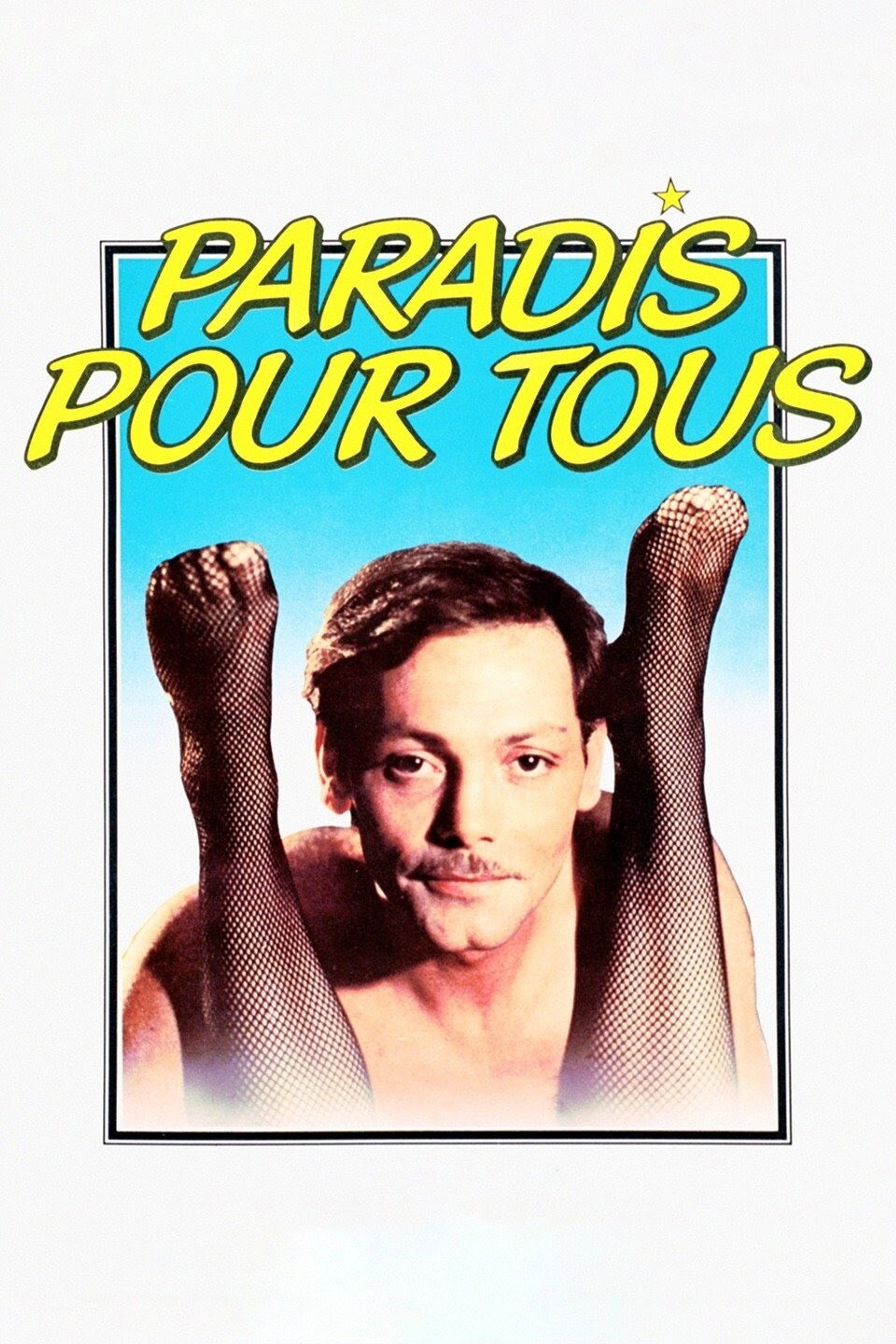
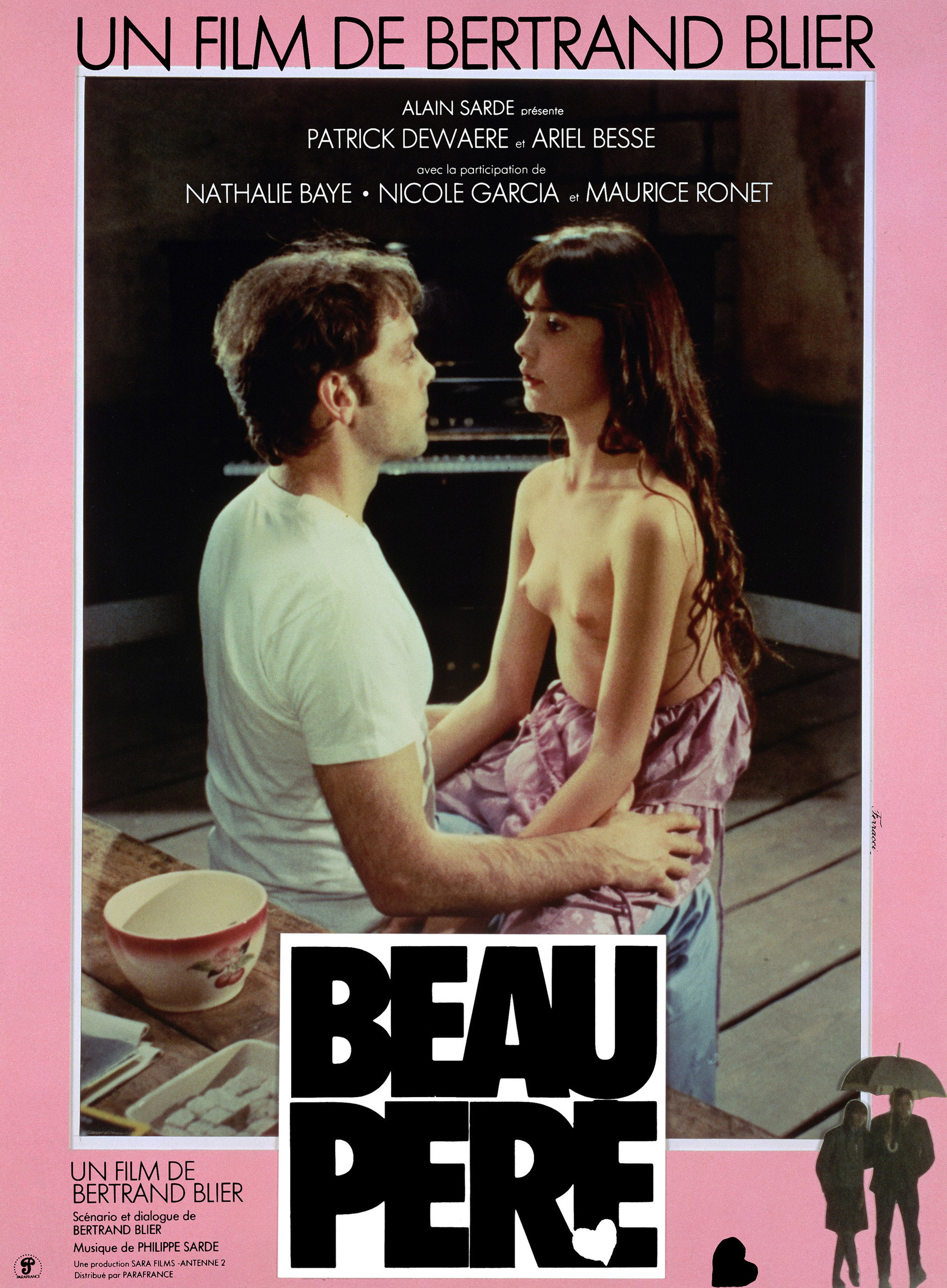
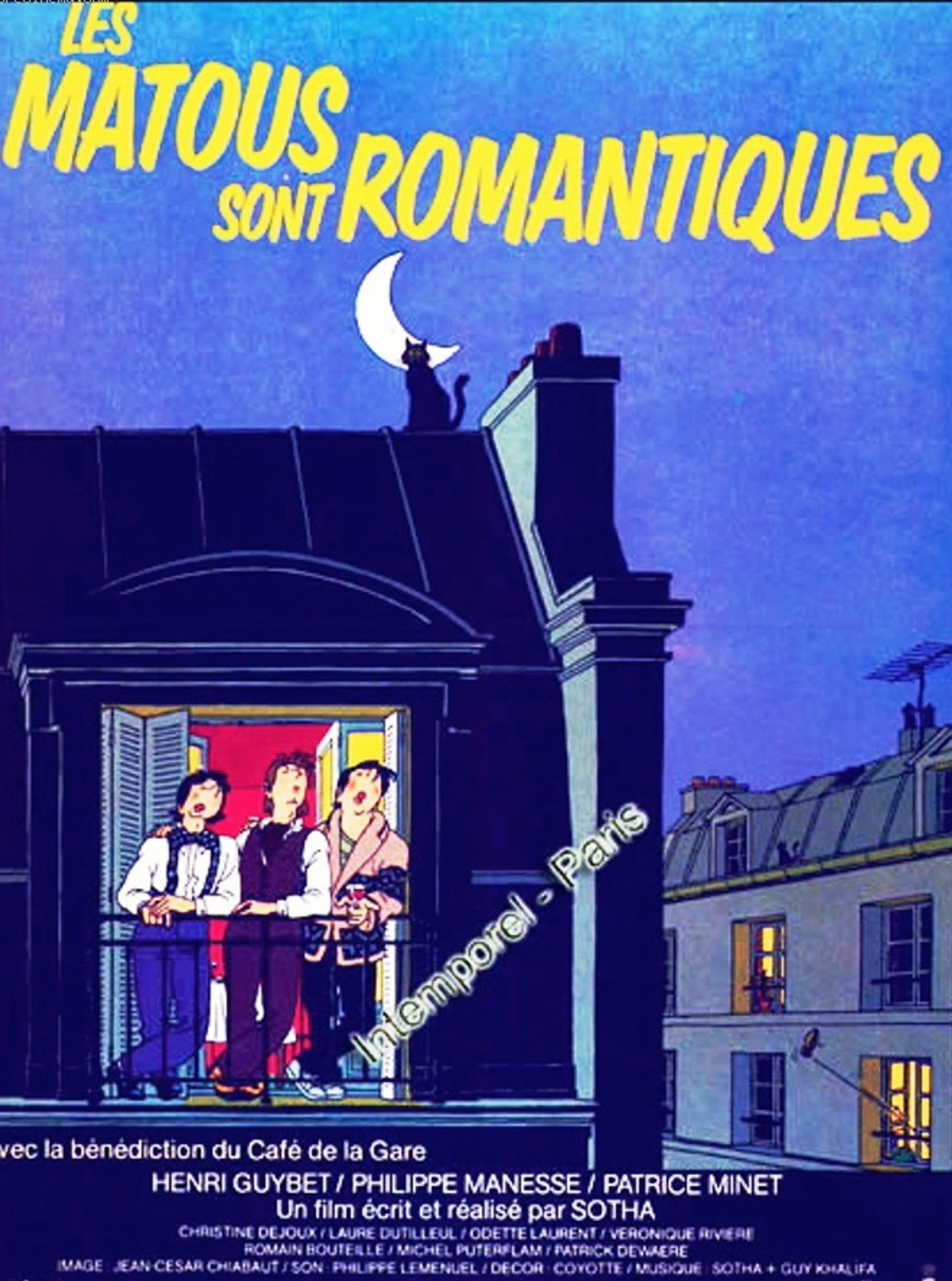
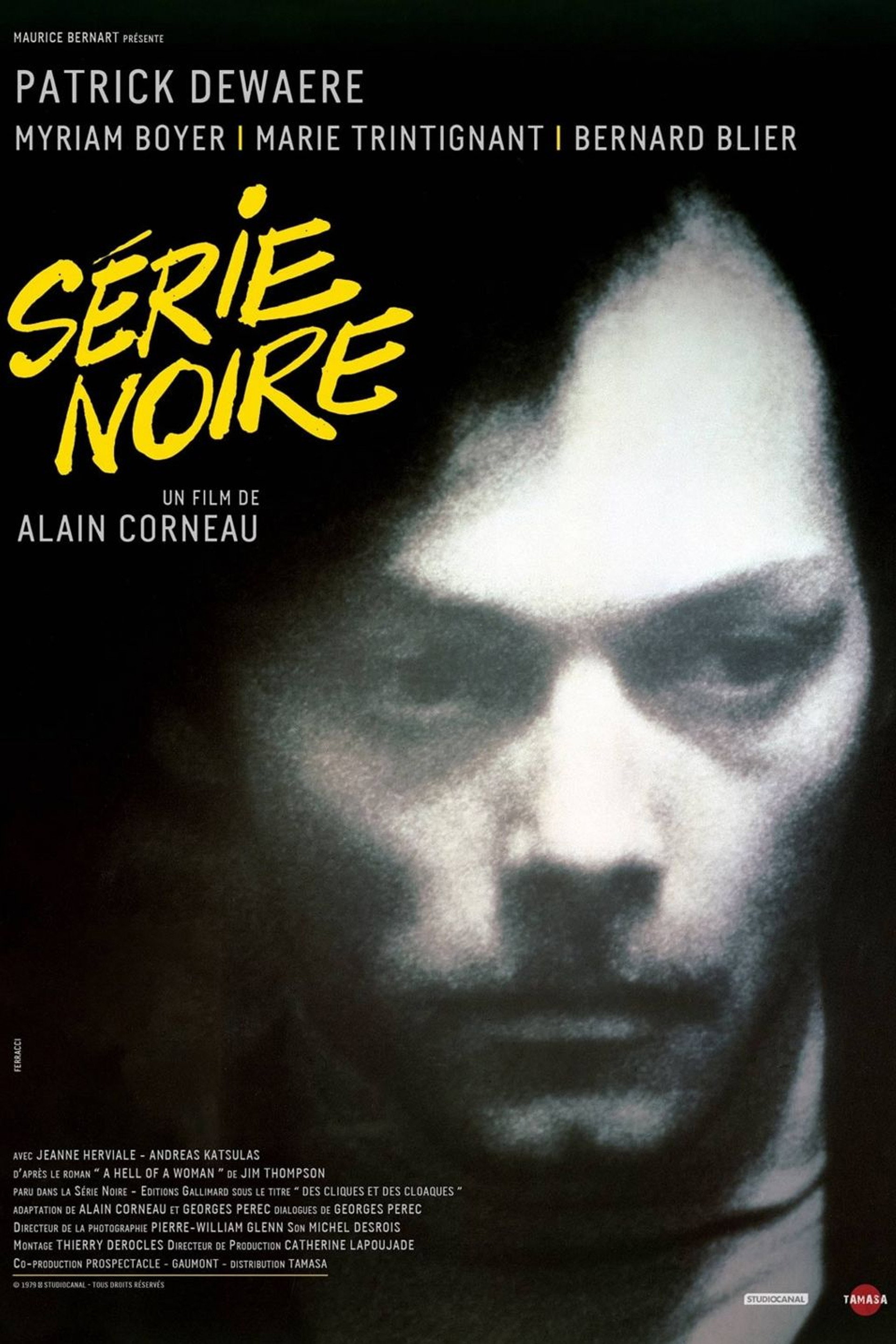
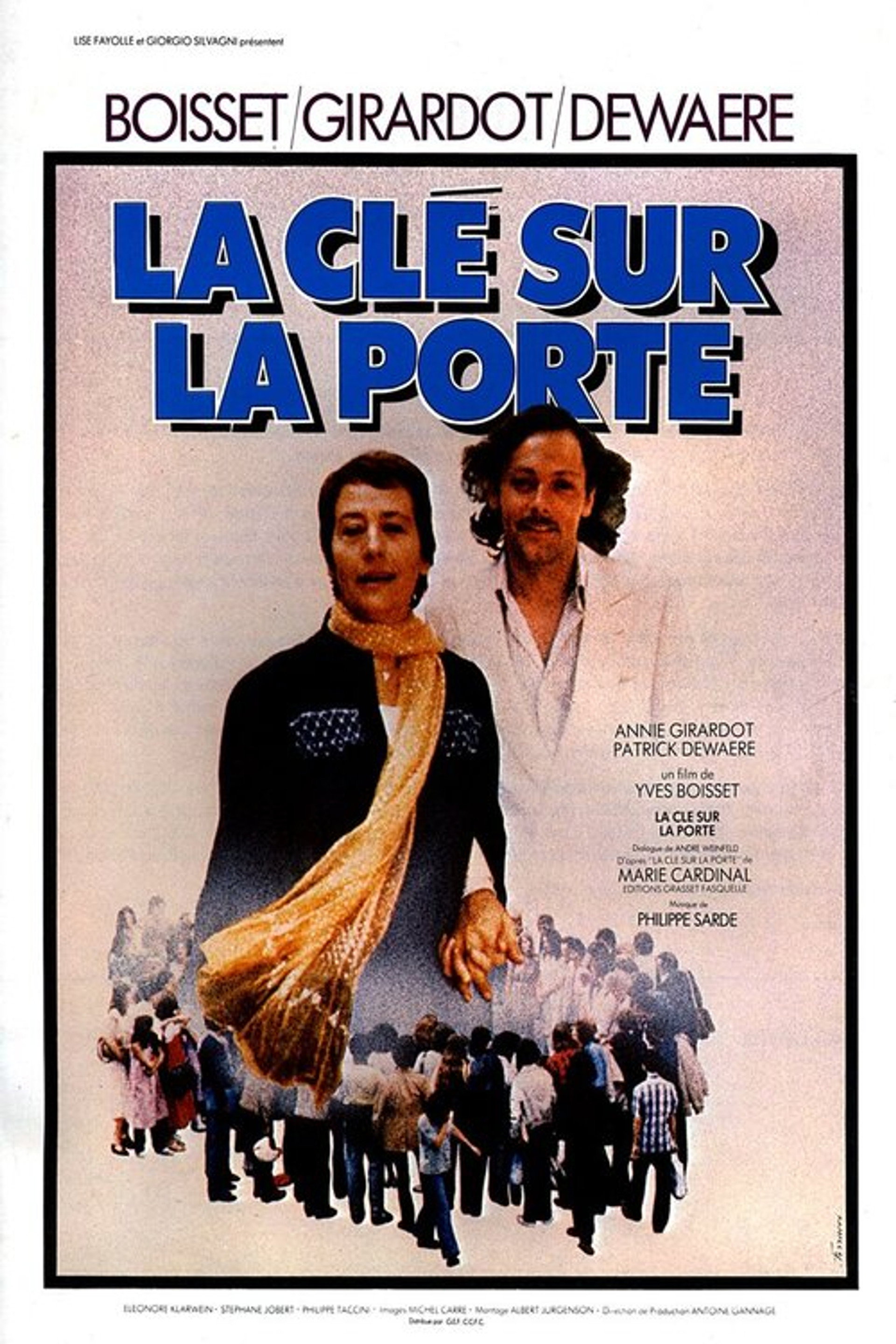
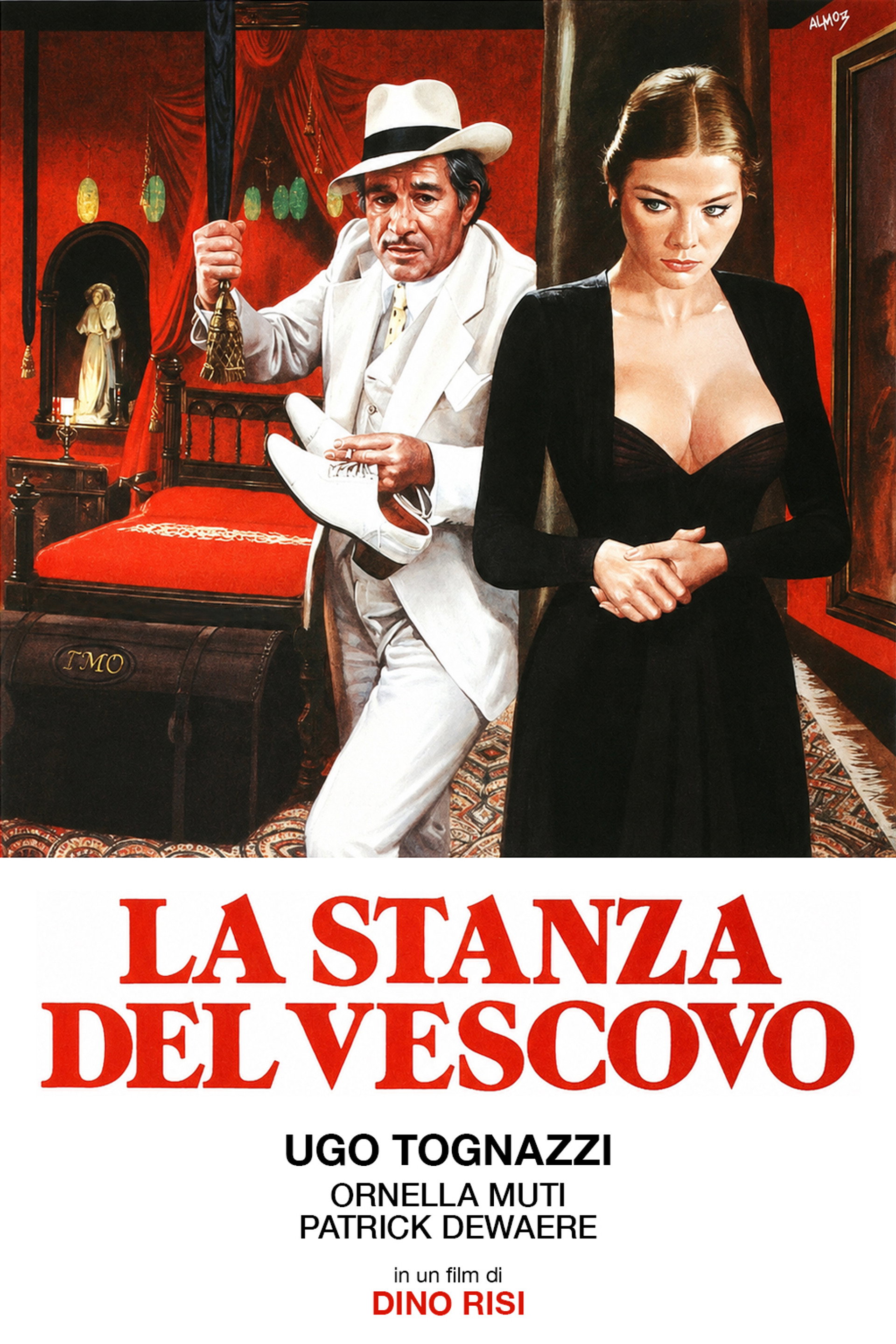
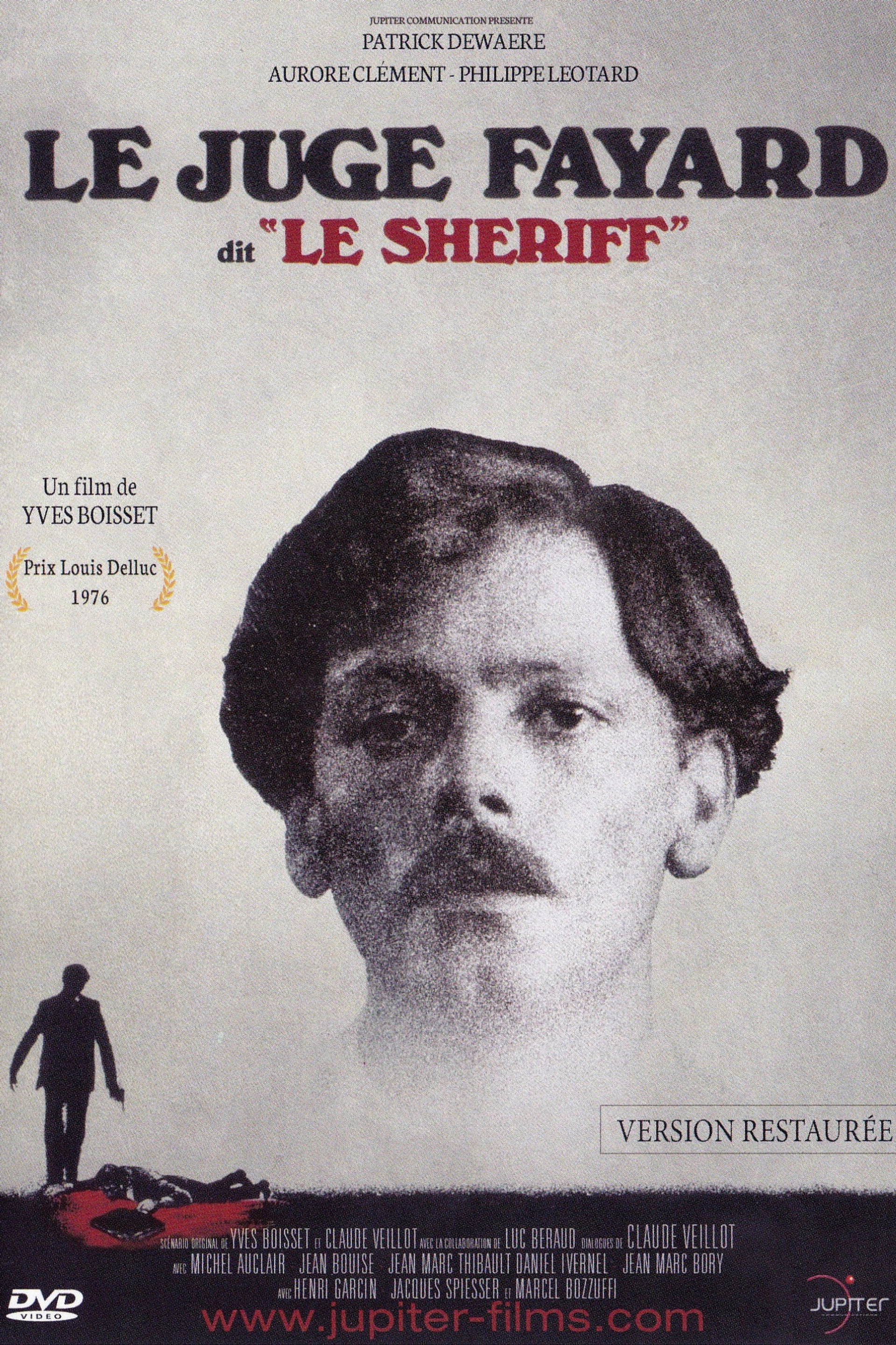
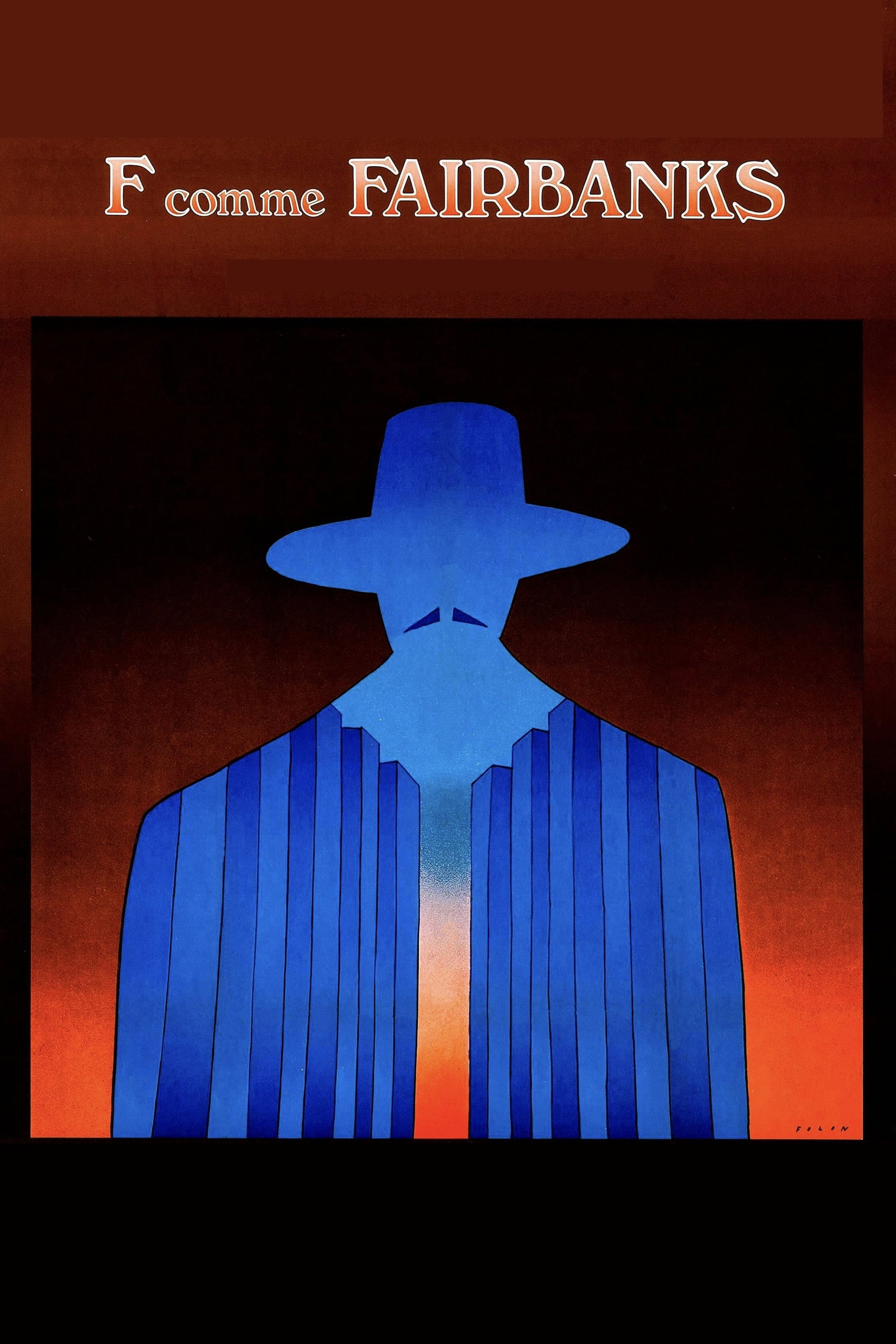
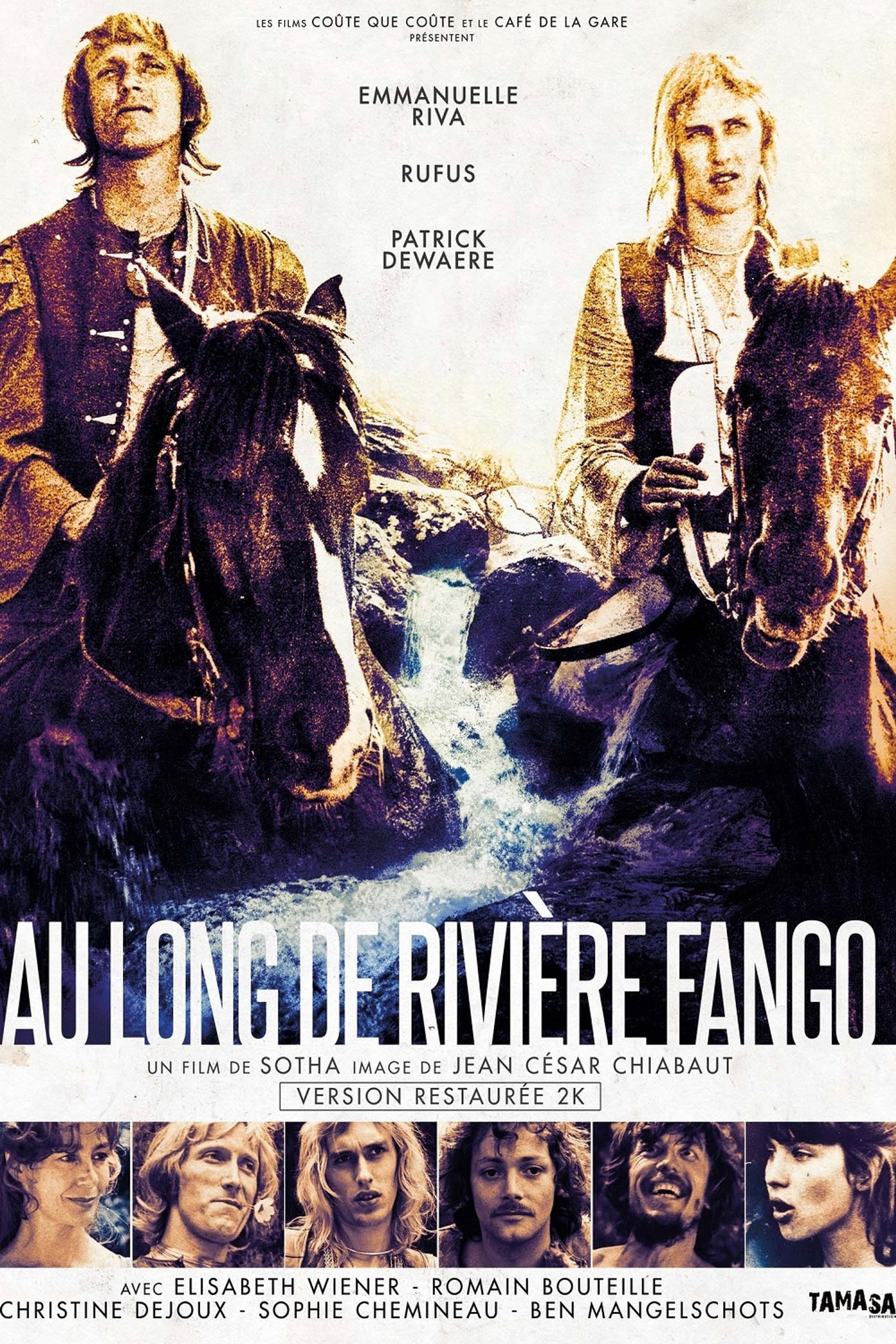
Patrick Dewaere (26 January 1947 – 16 July 1982) was a French film actor. Born in Saint-Brieuc, Côtes-d'Armor, he was the son of French actress Mado Maurin. An actor from a young age, his career lasted more than 21 years until his suicide in Paris, in 1982. Patrick Dewaere was the third child of an actor's family. His biological father, Michel Têtard, was a lyricist who had an affair with Dewaere's mother, Mado Maurin, who was married to Pierre-Marie Bourdeaux. Dewaere grew up believing Bourdeaux was his biological father. After Dewaere's parents divorced, his mother remarried Georges Collignon, who sexually abused Dewaere as a child. Under the direction of his mother, Dewaere, his four brothers and his sister performed in movies and television series. The family lived in Paris. Dewaere attended the Cours Hattemer, a private school. One of his first TV appearances was in 1961, when he was 14 years old. He appeared in a video for the song "Nuits d'Espagne" by Dalida. Later, he was a promising and popular French actor in the late 1960s and 1970s. At the age of 17, Dewaere learned that he was not the biological child of his mother’s ex-husband, Pierre-Marie Bourdeaux, but that of conductor and singer Michel Têtard. In 1968, he took the name of "Dewaere" which his maternal great-grandmother inspired him. A year earlier, he had met his first wife, Sotha, an actress who co-founded the Café de la Gare, an experimental theatre. They separated in 1970 but remained married for eleven years. From 1968, he collaborated with the Café de la Gare, where he met Miou-Miou and Gérard Depardieu, with whom he made a breakthrough after many secondary roles in various films, in the scandalous comedy Going Places. Miou-Miou became Dewaere’s companion and the mother of his daughter Angèle (1974). She left Dewaere for singer Julien Clerc, shortly before the shooting of F...like Fairbanks, in which both play a couple in separation. Patrick Dewaere became one of the most popular actors in French cinema in the 1970s. Between 1977 and 1982, he was nominated five times to the Césars in the "Best Actor" category, the most important award in France. In his work, Dewaere was restless and very conscientious, which may have caused his depressed mood. He also had serious drug problems, and it is known that he had been sexually abused as a child. He consolidated his status as a savage and ruthless actor in Alain Corneau’s cult film Série noire (1979). In his roles, Dewaere was long attached to the kind of young rebel. Only in his later films did his comic and dramatic diversity manifest itself. He often worked with director Bertrand Blier. In 1980, Dewaere hit a journalist who had announced against his will his union with Elsa Chalier. Subsequently, the actor was ignored by the French press, his name was even abbreviated with his initials (P.D). For eleven years Dewaere was married to French actress Sotha. In the early 1970s, he became the companion of French actress Miou-Miou, until they separated in 1976. They had one daughter. Shortly before the release of Paradis Pour Tous (1982), a black comedy where his character tries to commit suicide, the actor shot himself in his house in Paris. He was 35 years old. ... Source: Article "Patrick Dewaere" from Wikipedia in English, licensed under CC-BY-SA.